

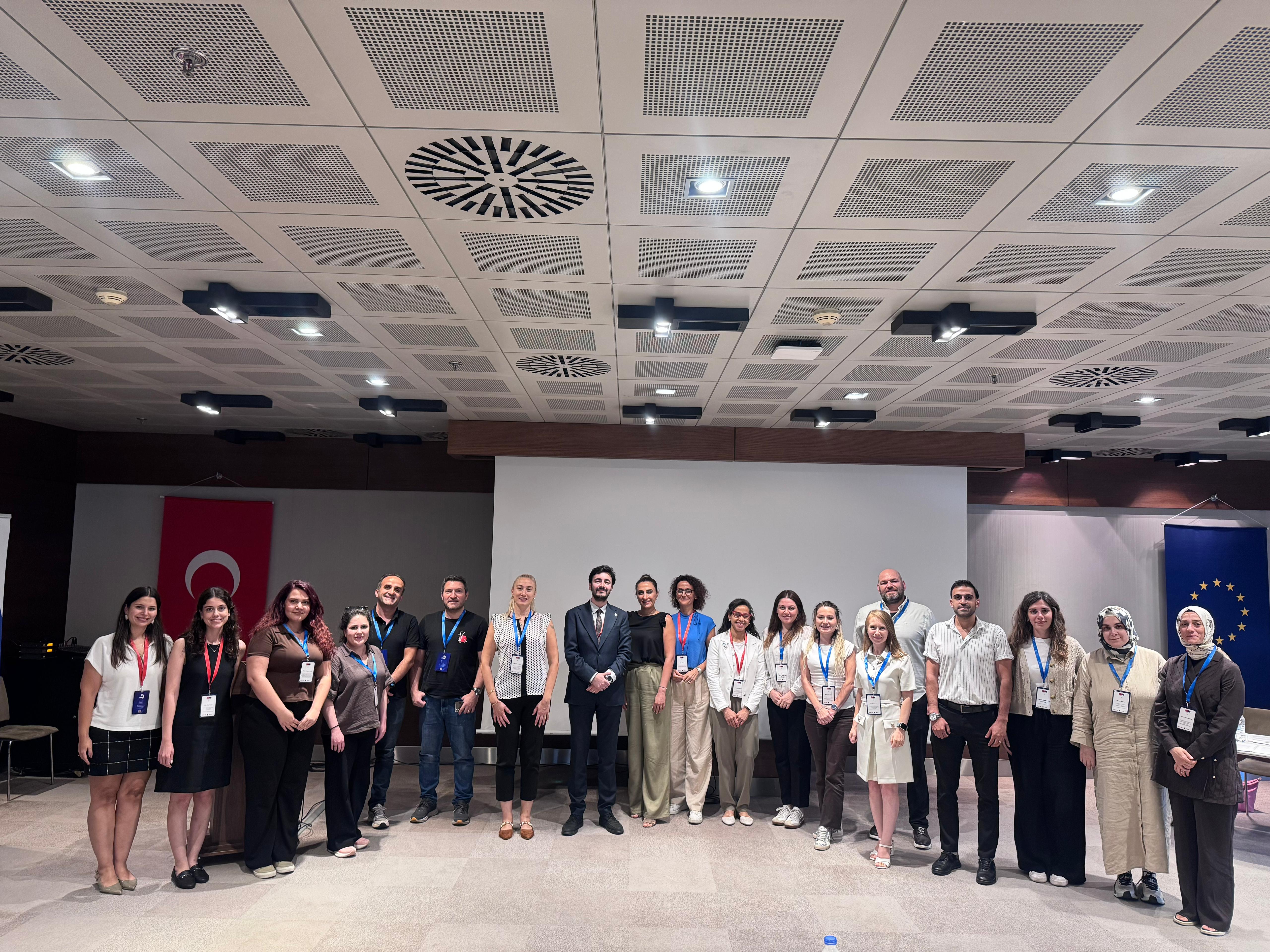
Seeking solutions through research and innovation to security threats ranging from cybercrime and countering terrorism to border management and natural and human-made disasters, the Focus Group Training for the Horizon Europe Cluster 3: Civil Security for Society component brought together 25 participants in Istanbul on August 26–27, 2026.
Organized under the Technical Assistance for Türkiye in Horizon Europe Project, the two-day program began with opening remarks by TÜBİTAK Cluster 2 and Cluster 3 National Contact Points, Dr. İlknur Yılmaz Gümüş and Eren Temir, who coordinated the training. The National Contact Points remained with the participants throughout the program, addressing questions and providing guidance on Cluster 3. The thematic sessions, led by Dr. Marina Martinez-Garcia and Dr. Tuba Bircan, focused on the framework behind call texts, evaluating Cluster 3 calls alongside the European security policies that shape them, programming processes, and the research ecosystem.
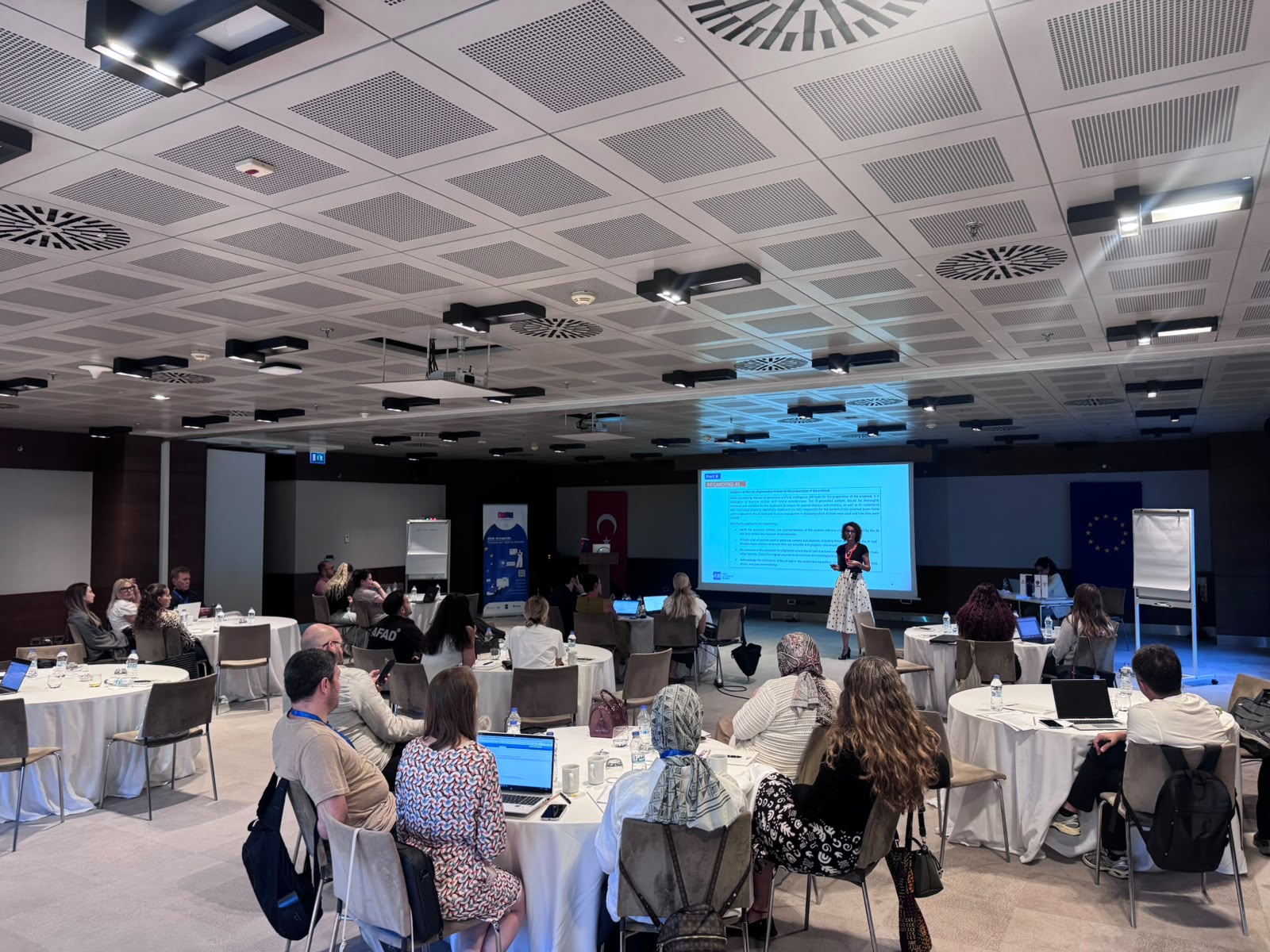
The first day addressed developments spanning from the current Horizon Europe framework to the next Framework Programme (FP10) starting after 2028, focusing on EU policy priorities and the roles of various actors in shaping the Cluster 3 Work Programme. Subsequently, the Work Programme and call topics were examined together with Cluster 3-specific security, participation, and consortium conditions, as well as past projects, project outputs, and potential partnerships; emphasis was placed on how participants could position their expertise and competencies more strongly within a consortium.
As the program progressed, calls were examined through the evaluator's lens. The Horizon Europe evaluation mechanism—from independent expert review to the consensus process—along with the Excellence, Impact, and Implementation criteria were analyzed, highlighting changes in the 2026 call templates. Core elements of a strong project proposal were covered through practical examples, ranging from objectives and methodology to end-user engagement which holds special importance for Cluster 3, impact pathways, exploitation of results, consortium structure, and resource and risk management. Lump sum funding, which is gaining increasing weight in Horizon Europe, was another highlighted topic. Considering that approximately half of the call budget in the 2026–2027 Work Programme will be implemented under this model, the process—from preparing budget tables to planning eligible costs and project execution—was examined using past examples.
Hands-on workshops formed a significant part of the training. Working in groups on selected Cluster 3 calls, participants developed the project concept notes they had drafted on the first day by incorporating Impact, Implementation, and budget dimensions on the second day. They then shared the resulting project outlines with experts and fellow participants through pitch presentations. This allowed participants to directly experience the process from reading call texts to structuring and pitching project ideas, while Q&A, experience-sharing, and networking sessions brought diverse expertise together, laying the groundwork for potential collaborations.
We hope that this two-day training contributes to Turkish Research Area stakeholders positioning themselves more strategically in Cluster 3 calls, taking part in strong consortia, and developing competitive project proposals; and that the ideas and connections cultivated during the event translate into new collaborations and successful Horizon Europe projects in the upcoming period.
Click here to access the event documents.