

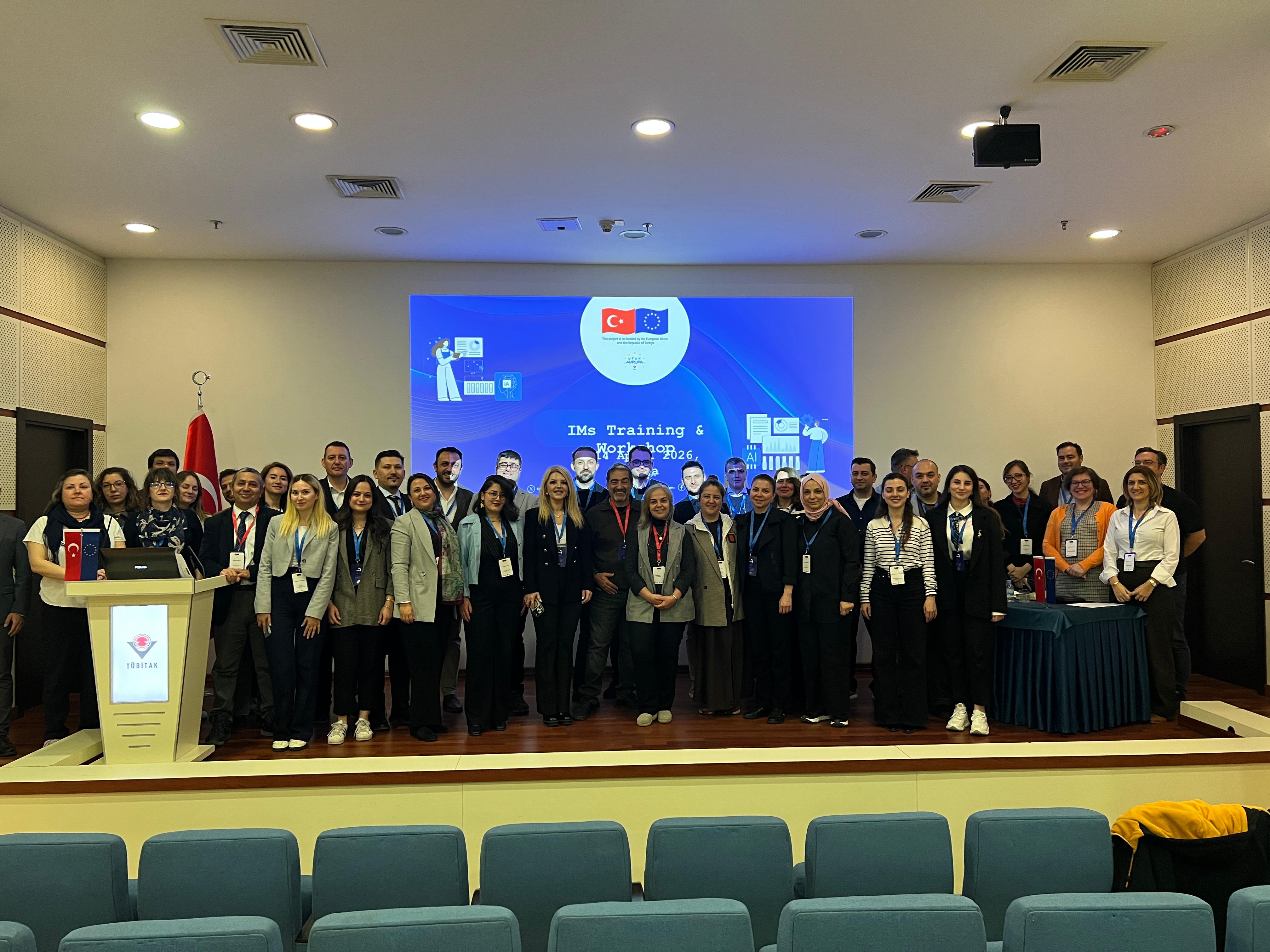
The First Physical Gathering of Information Multipliers Was Held in Ankara
Within the scope of the Technical Assistance for Türkiye in Horizon Europe Project, a two-day training programme was held under the umbrella of IMS Club, the new identity of the Information Multipliers network, on 13–14 April 2026 in Ankara, at the Mustafa İnan Conference Hall of the TÜBİTAK Presidential Building. The programme aimed to strengthen Türkiye’s capacity to participate in the Framework Programmes, enhance the competencies of Information Multipliers in a more systematic manner, and establish a stronger foundation for transforming knowledge into tangible project outcomes.
For more than a decade, the Information Multipliers network has served as a significant mechanism for knowledge transfer in Türkiye’s journey within the Framework Programmes. Today, the network is evolving into a more strategic and results-oriented structure. As the first physical step of this transformation, the programme brought together more than 40 Information Multipliers, creating space not only for knowledge sharing but also for practice-oriented capacity development.
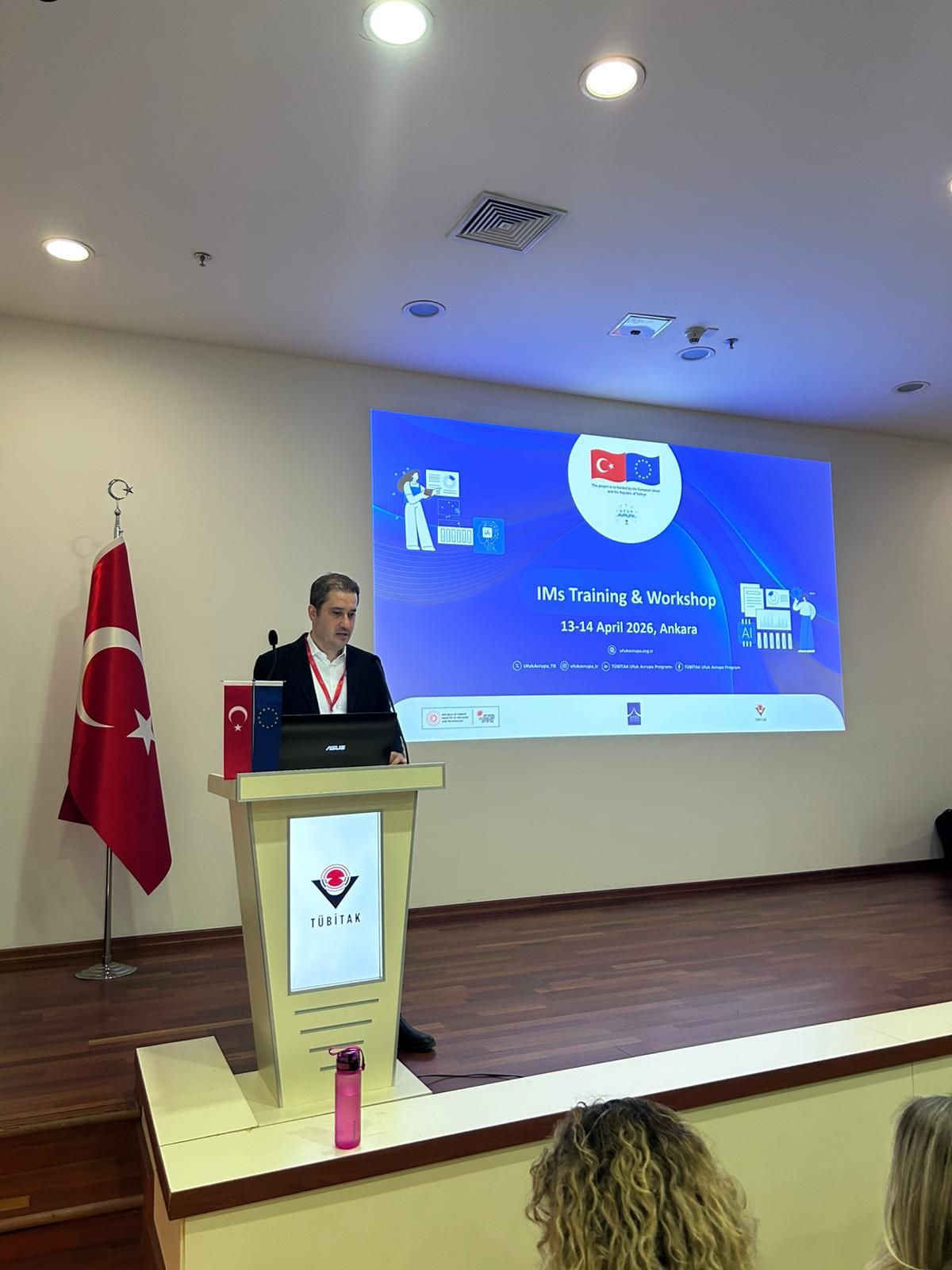
The opening remarks of the programme were delivered by Mr Çağrı Yıldırım, Horizon Europe National Coordinator at TÜBİTAK. With the valuable guidance and participation of representatives of the Operation Coordination Unit of the Technical Assistance Project, as well as other National Contact Points, the first day focused in detail on the structure of Horizon Europe calls, the components of work programmes, expected impacts, and eligibility conditions. In addition, the structure of Horizon Europe proposals, the sections of Part B, and the criteria of excellence, impact, and implementation were comprehensively addressed. Throughout the day, technical sessions focusing on excellence, impact, and implementation were held, while practical group exercises enabled participants to work directly on proposal design. At the end of the day, common mistakes, evaluator expectations, and key takeaways were discussed. An information session on support for the development of short proposals under the European Innovation Council (EIC) Accelerator was also included in the programme.
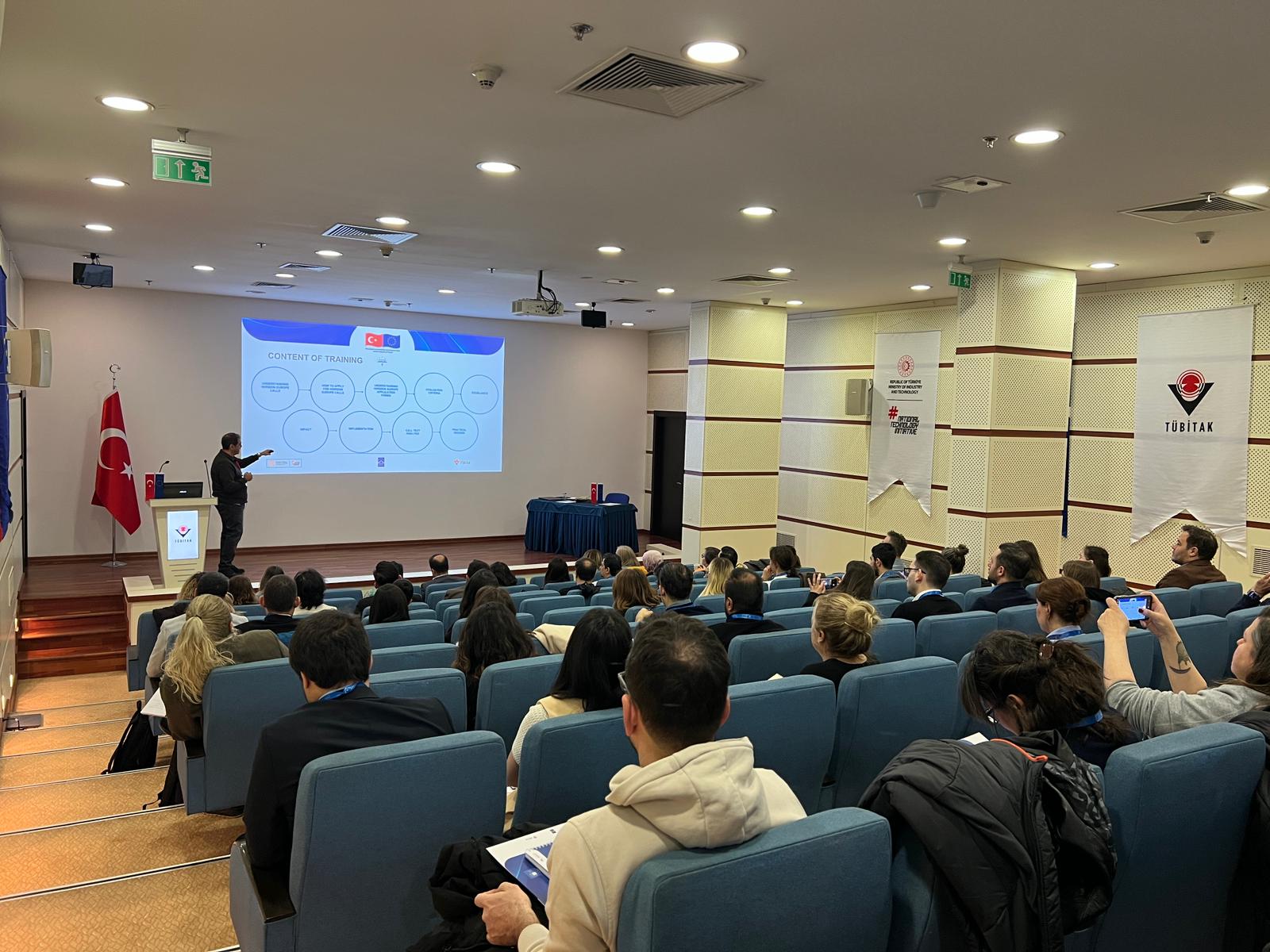
The technical sessions of the event were conducted under the guidance of invited expert Mr Leonardo Piccinetti and Key Expert of the Technical Assistance Project, Mr İhsan Karataylı. Participants had the opportunity not only to learn how to analyse calls, but also to explore in a practical way how a proposal can be strategically structured, how objectives and methodology can be defined, how impact logic can be developed, and how the implementation structure of a project can be established. In this respect, the programme went beyond a conventional training format and directly engaged participants with the practice of project design.
The second day of the event began with the opening remarks of Burcu Göğüş Doğan Ph.D,Manager of the Operation Coordination Unit of the Technical Assistance for Türkiye in Horizon Europe Project, on behalf of the host institution, TÜBİTAK. During the opening session, expectations from IMS Club members, performance indicators, and duties under the programme were shared, while the day’s technical content focused on the financial structuring and feasibility of Horizon Europe proposals.
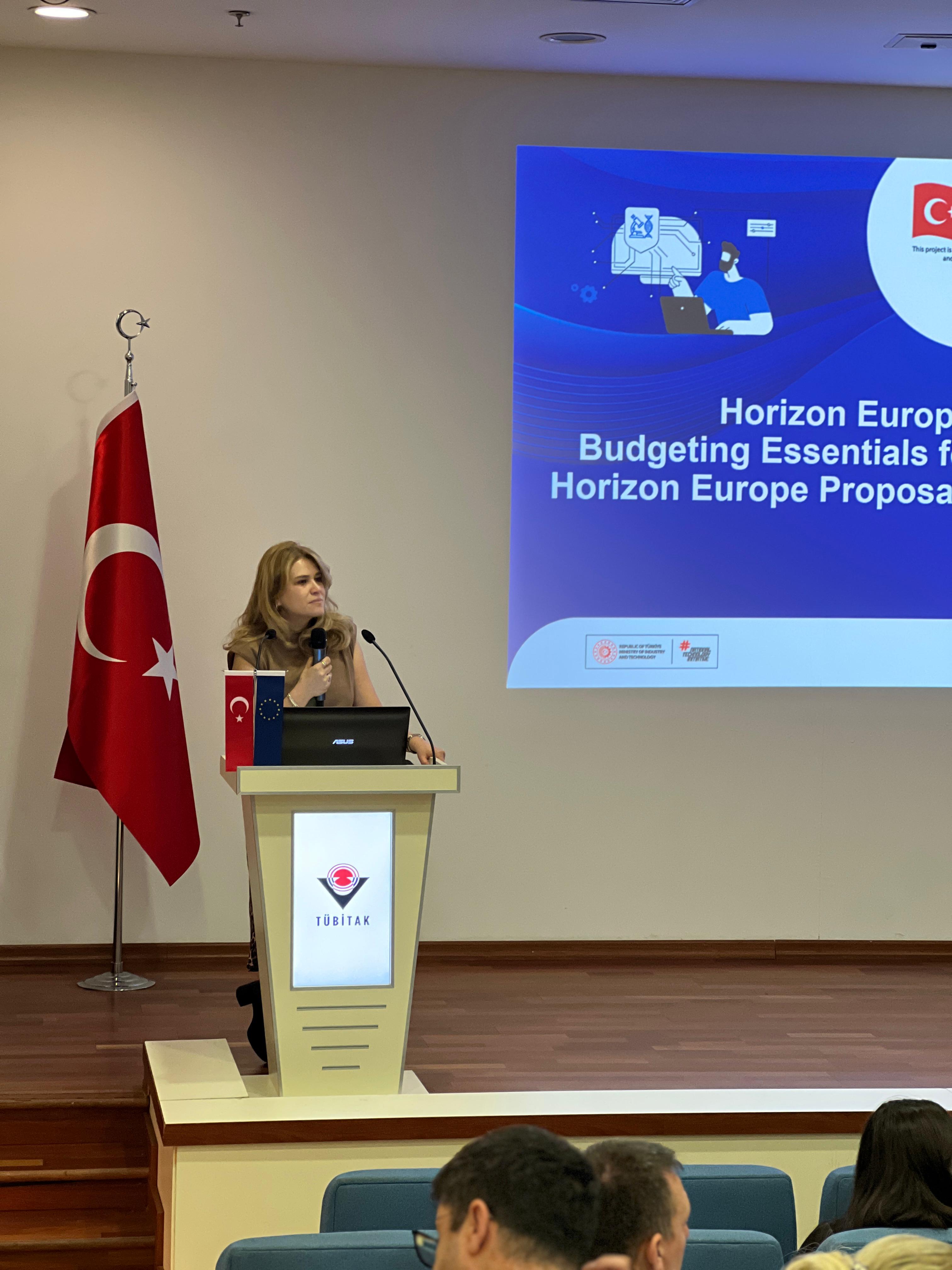
Throughout the second day, participants received comprehensive information on Horizon Europe financial rules, budgeting approaches, personnel costs, direct and indirect costs, and budget justification methods. During the practical sessions, which constituted one of the key components of the day, participants prepared a simplified Horizon Europe budget based on a sample project. In addition, horizontal priorities such as open science practices and gender equality plans were discussed together with application and evaluation processes. In the final part of the day, practical tips on proposal presentation and first-hand insights into evaluation procedures were shared.
The intensive two-day programme demonstrated that IMS Club is not merely a knowledge-sharing network, but also a capacity-building platform that supports the stronger integration of the Turkish Research Area with the European Research Area, promotes the development of high-quality projects, and disseminates an impact-oriented way of thinking.
This first physical gathering of IMS Club once again demonstrated that Information Multipliers are not only actors who transfer knowledge at national level, but also important stakeholders who contribute to project development processes, enhance quality, and strengthen integration with the European research and innovation ecosystem. The outcomes gained through the programme are expected to contribute in the coming period to a greater number of high-quality applications, stronger project partnerships, and Horizon Europe projects with higher impact potential.