

In the 2023 round of the Excellence Hubs Call, 194 proposals involving 3,254 organisations went in and 11 came out funded, a success rate of 5.7 percent. Türkiye did well out of that round. Three of the funded projects include Turkish partners, two of them coordinated from Türkiye, and 18 Turkish organisations shared €4,943,750 in EU funding. A two-day training in Istanbul on 16–17 September set out to help the next group of applicants do the same, largely by putting them in the evaluator's chair.
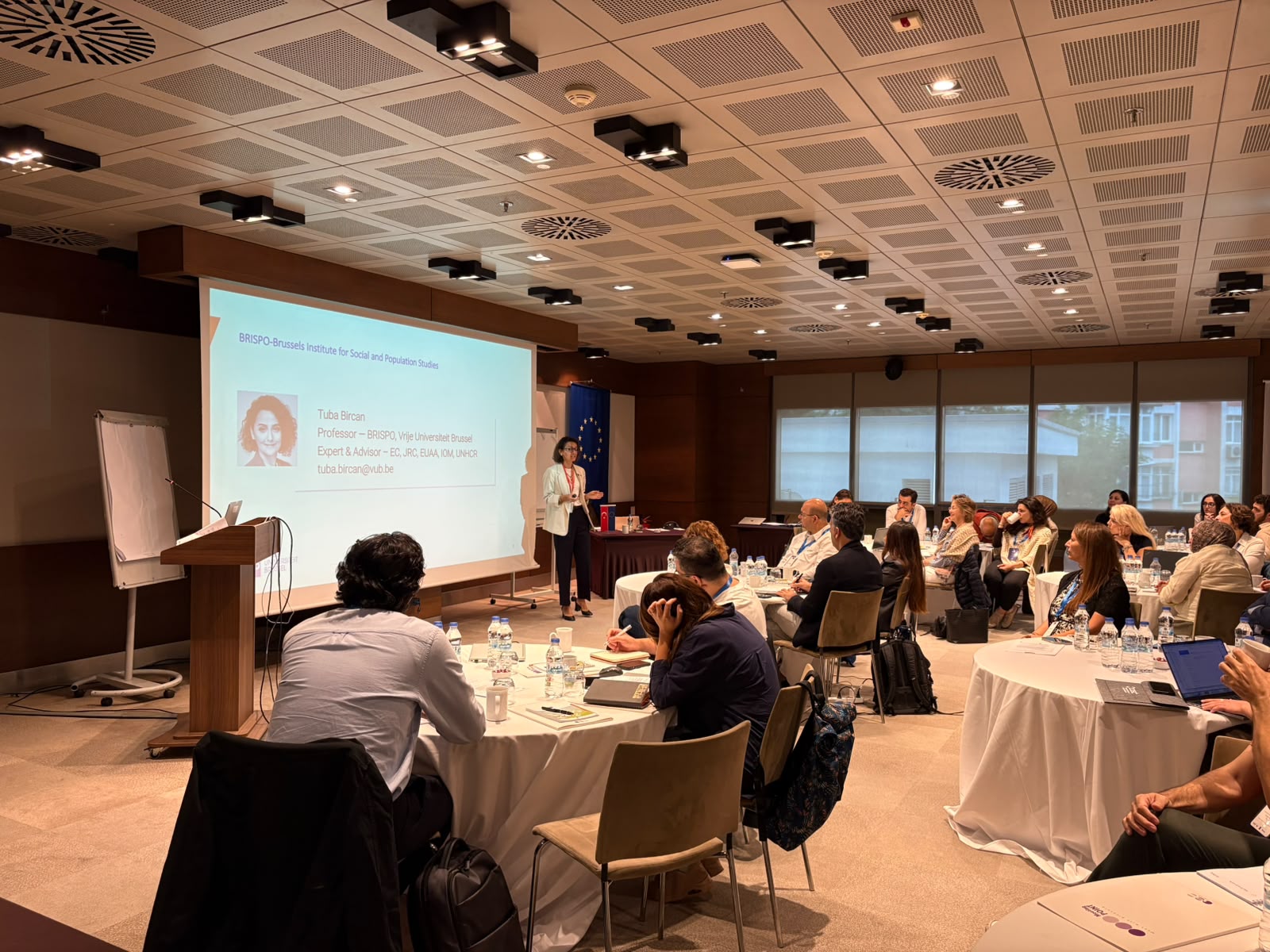
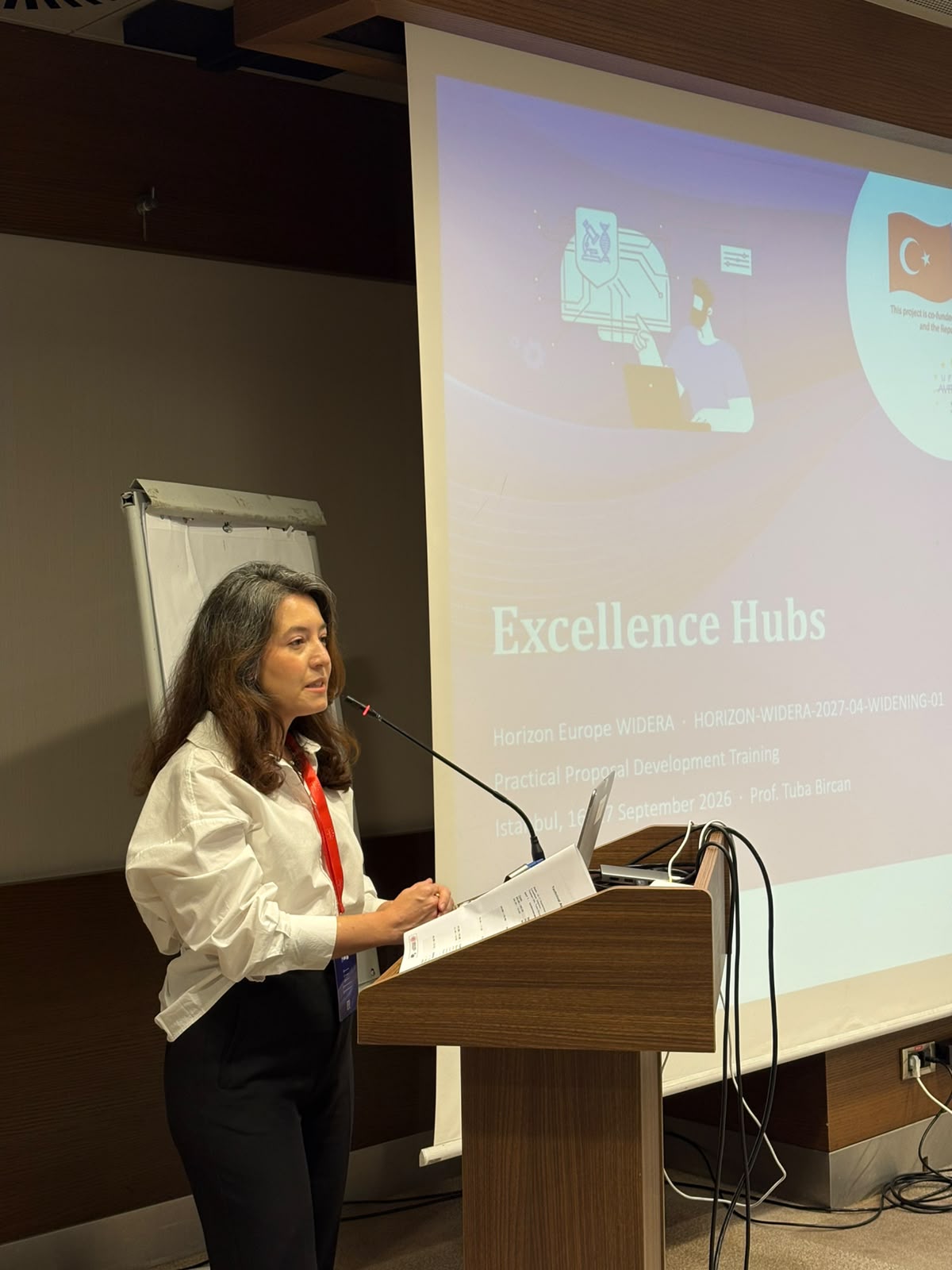
The two-day training on the Excellence Hubs call was organised under the Technical Assistance for Türkiye in Horizon Europe Project, co-financed by the European Union and the Republic of Türkiye. The programme opened with remarks by Merve Aydemir Aydın, Horizon Europe WIDERA National Contact Point, who also coordinated the event, and continued under the guidance of trainer Dr. Tuba Bircan.
Excellence Hubs is an unusual call. Consortia are required to glue together at least two place-based ecosystems in two different widening countries, and each ecosystem needs universities or research centres, established companies, public authorities and civil society. That rules out the familiar model of a strong university lab backed by a few supportive letters from industry, a point the training came back to more than once.
The event morning kick started with the policy behind the call before getting to the call itself. Participants went through where widening sits in Horizon Europe, how Excellence Hubs differ from Teaming, Twinning and ERA Chairs, and what association means for Türkiye in practice. Eligibility, budget rules and the evaluation procedure followed.
Meanwhile, Prof. Dr. Ozan Erdinç of Yıldız Technical University then presented ECHO, one of the two Turkish-coordinated projects from 2023. ECHO brings together 24 partners from six countries to set up energy-community hubs in Türkiye, Greece and Portugal, with a €5 million budget over four years. Together with Selin Dogrusoz of ECHO, Erdinç talked the room through how the proposal was built and what he would advise first-time coordinators.
Participants had chance to score the summary of a real proposal that had failed, then compared their marks with what the actual evaluators wrote. They worked through draft objectives, a methodology with six planted weaknesses and a work plan with five, deciding which flaws would sink a proposal and which an evaluator would simply note.
On day 2, training turned to consortium quality, impact and implementation. One exercise asked whether the widening-country partner in a sample consortium was really in charge. Another placed a funded and an unfunded impact section side by side, both of similar scientific quality, to show how often impact decides the outcome.
The final session was a mock evaluation panel. Teams of four or five, each with a chair, three rapporteurs and one member assigned to disagree, had to agree a score on a short proposal and recommend whether to fund it, send it back for revision or reject it. The differences between tables led to the liveliest discussion of the two days.
The event closed with TÜBİTAK outlining upcoming NCP Türkiye info days and brokerage events for those preparing bids.